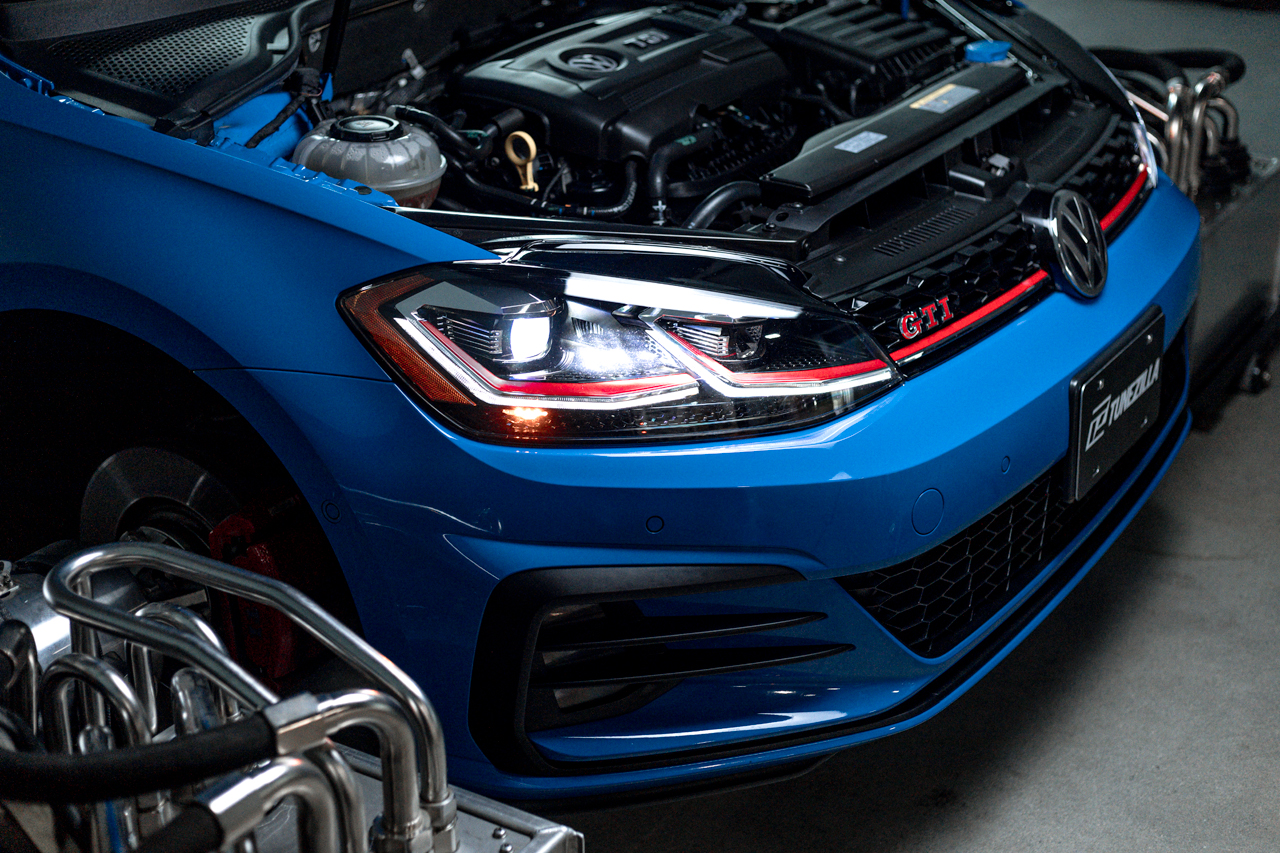
Your car feels sluggish and boring. You thought stock was enough, but you got gapped by a minivan on your way to work. It's time for a tune.And you’re clearly set on tuning your GTI.But before you flash that ECU, one fundamental principle separates successful builds from expensive mistakes: GTI tuning preparation determines outcomes.A properly prepared GTI handles increased power safely and reliably. This guide walks you through every critical consideration before flashing.A tune amplifies what your engine already is. If your car runs well in stock form, it will run well tuned. If your car has underlying issues, tuning will expose them immediately and often—well—catastrophically. This guide walks you through every critical consideration before flashing.Start With Baseline DiagnosticsBefore touching anything, scan your vehicle for stored fault codes. Pending codes, soft codes, and CEL history tell a story about your car's health. A code that doesn't trigger the check engine light might still indicate a component on its way out.If your car throws a code post-flash, you won't know whether the issue existed before modification or resulted from the tune itself.Routine Maintenance Before GTI TuningFresh spark plugs matter more than most realize. Tuning demands more from your ignition system immediately. One heat range colder than stock helps with the increased combustion pressures. Old spark plugs and worn coil packs fail first under elevated boost pressure.Change your engine oil and filter. Fresh transmission fluid, if it's been a while, won't hurt.Flush your coolant to ensure proper cooling under increased engine load. If you plan aggressive driving, change out your brake fluid too.Replace your engine air filter with a high-flow OEM panel upgrade. You don't need an expensive aftermarket airbox. Your fuel system, however, deserves attention. Have a shop perform a fuel trim data log to confirm your injectors deliver fuel within specification.Test For Boost LeaksBoost leaks are insidious. Small leaks in your charge piping, intercooler connections, or vacuum system will expose every weak point. A smoke test identifies these Inspect Critical ComponentsYour PCV system regulates crankcase pressure. A failing PCV causes unstable idle, oil contamination, and boost leaks. Your diverter valve vents excess boost when you lift off the throttle. A malfunctioning DV allows pressurized air backward into the turbo, potentially causing compressor surge and premature turbo failure.Manual clutch health is nearly impossible to assess as it's dependent on the car and driver. Stock clutches slip frequently after Stage 1 tuning. If you own a manual and plan to add more power, budget for an upgraded clutch soon. DSG owners have better odds if the transmission hasn't been abused and can flash on the DSG tune.Fuel Quality MattersOctane determines knock resistance. Your tune will be calibrated for 93 or 91 octane minimum depending on your modifications and power level. Some tuners offer flex-fuel options for ethanol blends. Decide your fuel strategy before flashing.GTI Tuning: Plan Your Stage ProgressionYou don't need to map out your entire build right now. Stage 1 requires almost nothing beyond maintenance and new spark plugs. Stage 2 demands a downpipe and ideally an upgraded intercooler. Budget honestly for these.Stage 3 changes the math entirely. Turbo upgrades, fuel system modifications, and supporting hardware require integration and planning. If Stage 3 is in your future, research now. For Stage 1 or 2, add supporting mods as budget allows without sacrificing engine maintenance.Post-Flash VerificationAfter flashing, go for a test drive and see how the car feels. If you notice something is off then take a log. Every engine responds differently. Your logs provide the truth about whether your car is happy with its new tune. A proper diagnostic tool becomes invaluable for long-term ownership.Preparation isn't glamorous. It won't show up in photos. But it determines whether your tune becomes years of reliable power or a costly disaster. Your GTI's EA888 gen 3 (or EA888.3) engine is remarkably capable when treated respectfully. Respect it with preparation, and it will reward you with consistent, safe performance.